

The rolls for cold rolling dies demand extremely high machining precision. However, many manufacturers are plagued by two persistent issues: First, th

The rolls for cold rolling dies demand extremely high machining precision. However, many manufacturers are plagued by two persistent issues:
First, the subtle marks from cold rolling are extremely elusive, almost impossible to capture effectively with conventional tools like calipers or CMMs.
Second, the client lacks the original CAD model, leaving full-size inspection with no starting point.
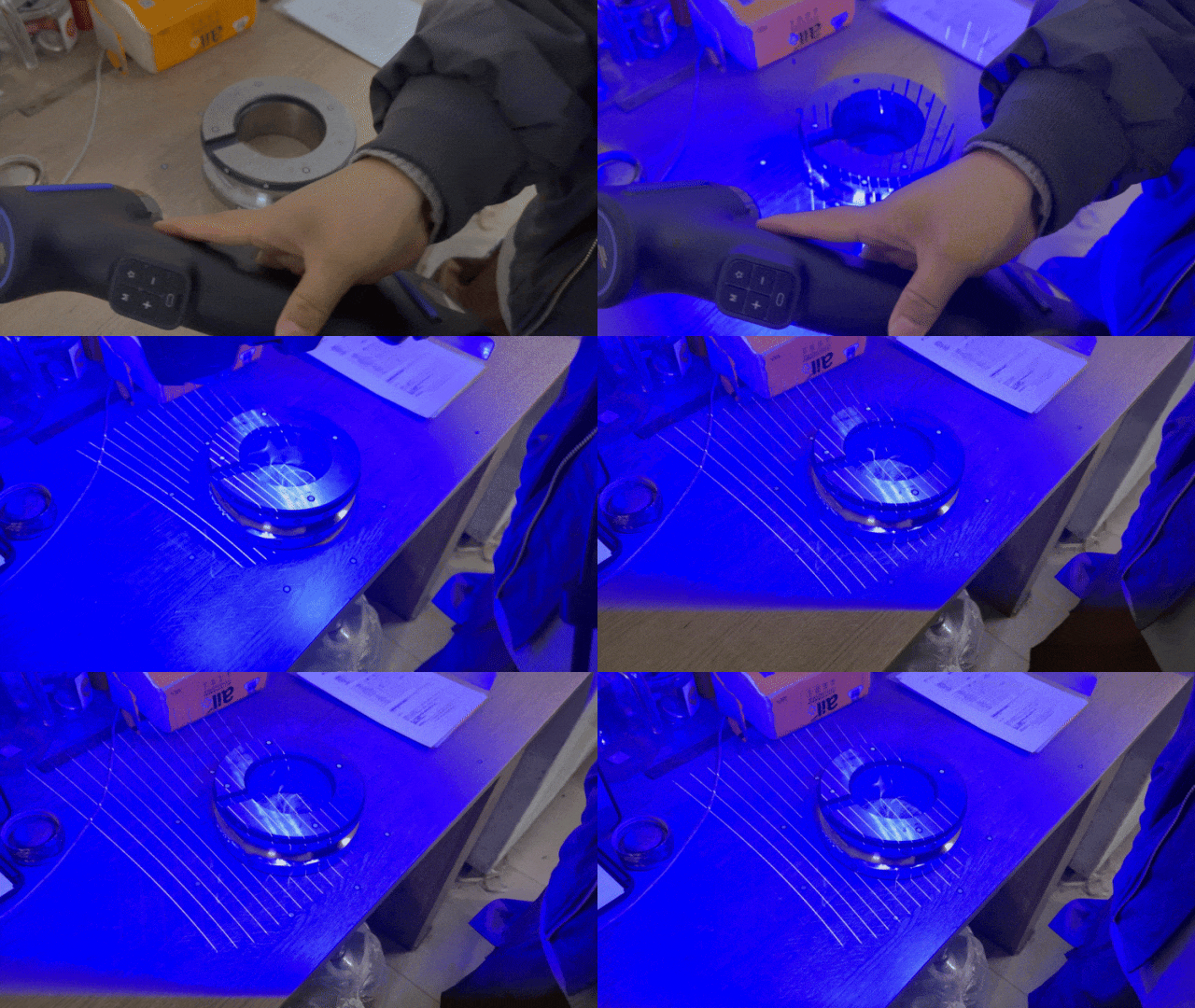
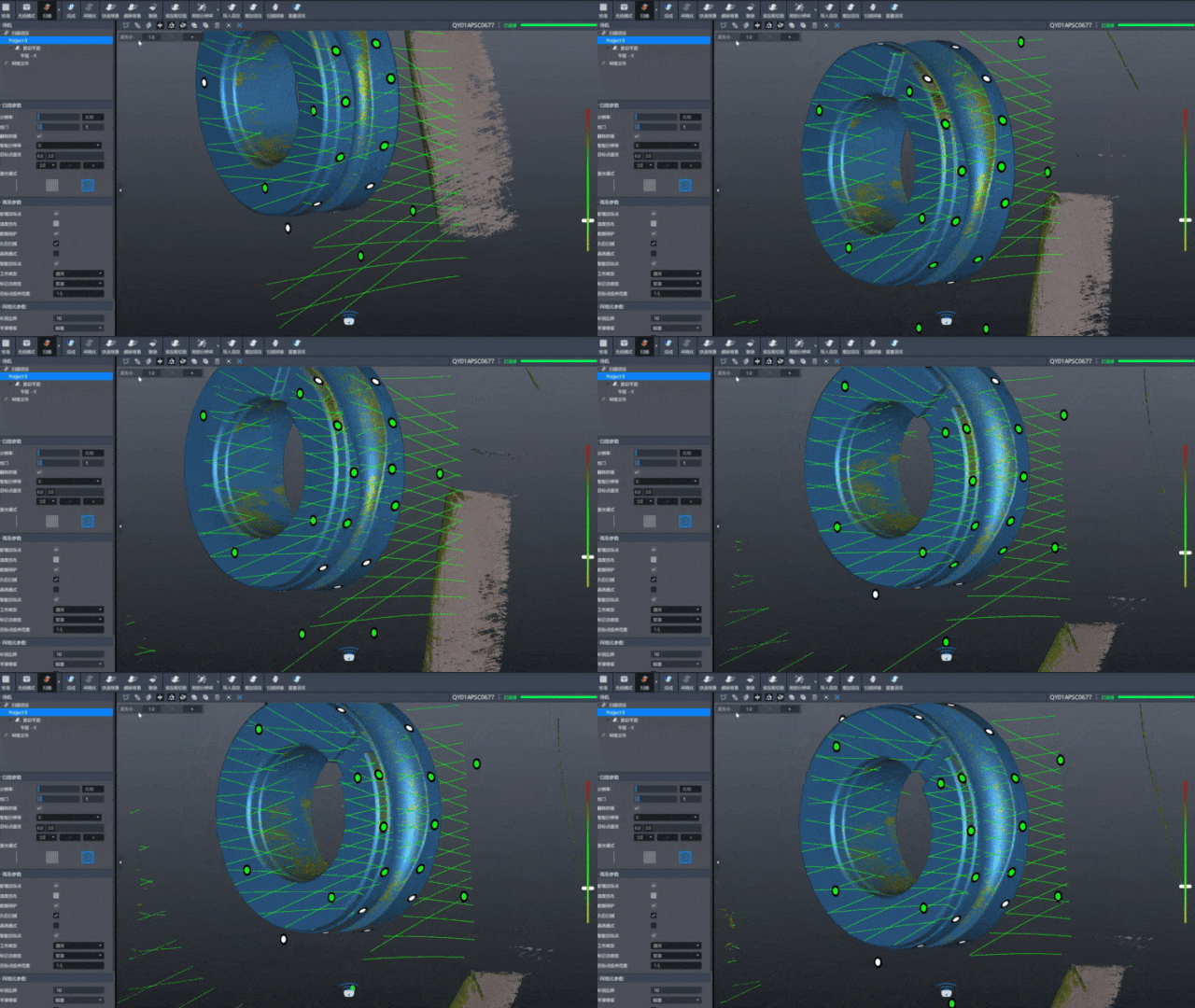
Currently, the industry generally cannot perform complete inspection of the entire roll length, resorting to sampling a few cross-sections, which carries a high risk of missed defects. This is especially problematic when early wear or local deformation occurs on the roll surface, often only revealed during trial rolling, leading to significant rework and material waste.
INSVISION‘s AlphaScan 3D scanner offers an “unconventional” yet highly effective solution—without the need for a CAD model, use a confirmed good roll as the “golden sample.” First, use AlphaScan to fully scan the good roll, generating a high-precision 3D model. Then, scan the part under inspection or newly produced rolls in the same way. Finally, automatically compare them in the software to output a color-coded deviation map. Where it protrudes, where it recesses, whether cold rolling marks exceed standards—all become clear at a glance.
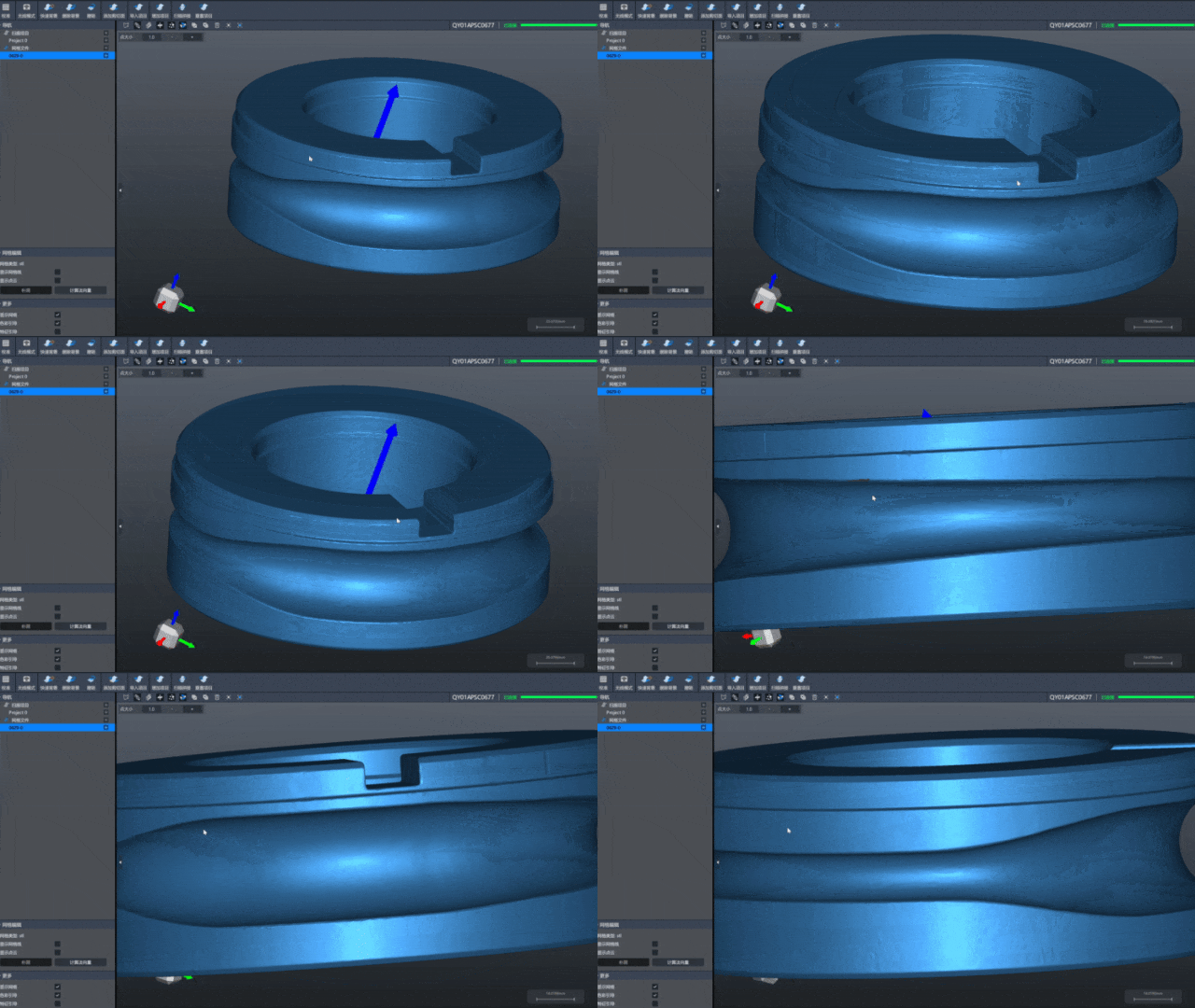
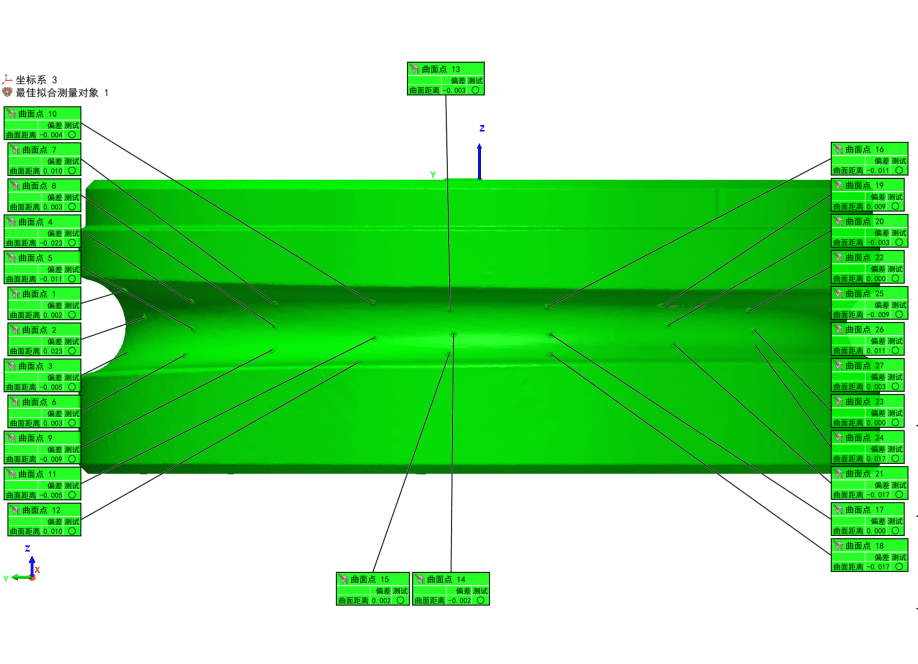
AlphaScan employs blue laser technology, easily handling the highly reflective surfaces of cold rolling dies, capturing subtle features with 0.020mm high precision. Segment scanning with real-time stitching allows flexible coverage of long rolls. From “invisible, incomplete measurement” to “full-size, visual comparison,” this “good-part-as-model” approach is helping more and more cold rolling die manufacturers truly manage their quality.
Originally published on the INSVISION WeChat Official Account.View Original